
How Long Does It Take for a House to Settle?
When you move into a new home, it’s natural to notice small changes over time—tiny cracks in the drywall, doors that don’t close quite as smoothly, or slight shifts in the flooring. This process, called house settling, is normal as your home adjusts to the ground it’s built on, the materials it’s made of, and the climate it endures.
But how long does it actually take for a house to settle? And more importantly, how can you tell the difference between normal settling and warning signs of structural trouble?
At BAM Basements and Masons of Des Moines, we’ve worked with countless homeowners who have asked these very questions. Let’s break down what you can expect, when to be concerned, and what steps you can take to keep your home safe and secure.
Timing of homes settlement period
Most homes experience initial settling within the first year or two after construction. This is usually due to the natural drying and shrinking of building materials such as wood and concrete. You may notice small hairline cracks or minor shifts during this time, which are typically not a cause for concern.
True, long-term settling often occurs over several years, as the house experiences seasonal weather cycles. Iowa’s climate—with its hot, humid summers and cold, snowy winters—can cause the soil beneath your home to expand, contract, and shift. Clay-heavy soils are especially prone to movement, while sandy soils are generally more stable.
While some minor settling is normal, homes built on unstable soil or in areas with poor drainage may continue to experience uneven settling for much longer, which can lead to serious foundation issues if not addressed.
House settling happens for a variety of reasons and understanding them can help homeowners spot issues early.
Soil and Ground Factors
Soil Composition – Clay soils expand when wet and contract when dry, leading to shifting foundations.
Ground Compression – The weight of your home naturally compresses the soil underneath, especially if it wasn’t properly compacted before construction.
Moisture Levels – Poor drainage, droughts, or heavy rain can all cause soil movement.
Tree Roots – Expanding roots near your foundation can push against concrete and cause shifting.
Environmental Factors
Seasonal Temperature Swings – Materials expand in summer heat and contract in winter cold.
Natural Events – Floods, earthquakes, or even erosion can accelerate settlement.
Construction and Material Factors
Foundation Materials – Lower-quality materials may not hold up over time.
Material Shrinkage – Wood and concrete naturally shrink as they dry, leading to small cracks.
Construction Practices – Poor grading, inadequate curing time, or thin concrete slabs can lead to premature settling.
Age of the Home
Older homes will continue to settle as time goes on. While this is expected, it’s important to distinguish between normal wear and structural warning signs.
What Kinds of Settling Happen?
· Normal Settling
· Small hairline cracks in drywall or plaster.
· Slight gaps around trim or molding.
· Doors or windows that stick a little but still function.
· These are usually cosmetic issues and can often be repaired with minor fixes.
· Problematic Settling
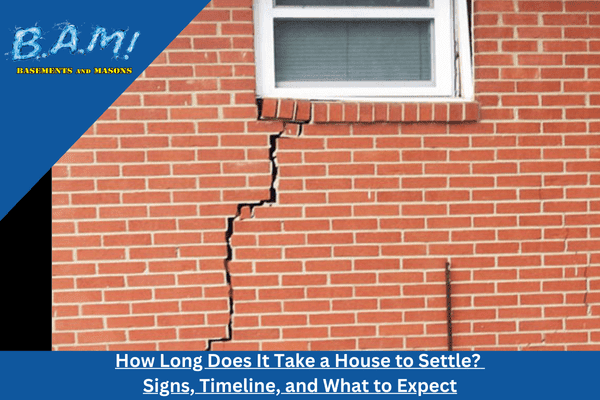
· Large, jagged cracks in walls, ceilings, or foundations.
· Doors and windows that become severely misaligned or won’t close properly.
· Noticeable slopes in flooring.
· Gaps between walls and ceilings or between walls and floors.
These signs suggest uneven settling and may indicate foundation damage. Left untreated, they can compromise your home’s safety and value.
How to Stop a House from Settling Further
While some settling is natural, there are steps you can take to minimize ongoing issues and protect your investment.
Professional Inspection
The first step is always a professional inspection. What looks like a simple crack may actually be a sign of deeper foundation movement. Experts can assess whether your home is simply adjusting or show signs of serious stress.
Repairs for Normal Settling
Minor cracks and cosmetic issues can often be repaired with patching, sealing, or small adjustments. Keeping up with regular maintenance prevents these small issues from becoming big problems.
Solutions for Serious Settling
If uneven settling or foundation instability is detected, solutions like underpinning may be necessary. This process extends your foundation to more stable soil layers, providing stronger long-term support. In some cases, drainage improvements or soil stabilization may also be part of the repair plan.
Preventing Settlement Issues
While you can’t stop settling, you can reduce the risks:
· Keep gutters, downspouts, and drains clear to move water away from your foundation.
· Ensure soil grading directs water away from your home.
· Avoid planting large trees too close to your foundation.
· Schedule periodic inspections to catch early signs of foundation issues.
· Proactive care saves money, prevents major repairs, and protects your home’s value.
Final Thoughts
So, how long does it take for a house to settle? The short answer: most homes settle significantly in the first one to two years, but subtle changes can continue for decades. The key is knowing the difference between harmless settling and signs of a deeper problem.
At BAM Basements and Masons of Des Moines, we’re here to help you make that distinction. Our experts can assess your home, identify risks, and provide tailored solutions to keep your foundation stable and your home secure.
If you’re concerned about cracks, uneven floors, or other signs of settling, contact BAM Basements and Masons today for a professional inspection. Protect your home now—and enjoy peace of mind for years to come.